Supreme Court Hands Trump Win On Tariffs
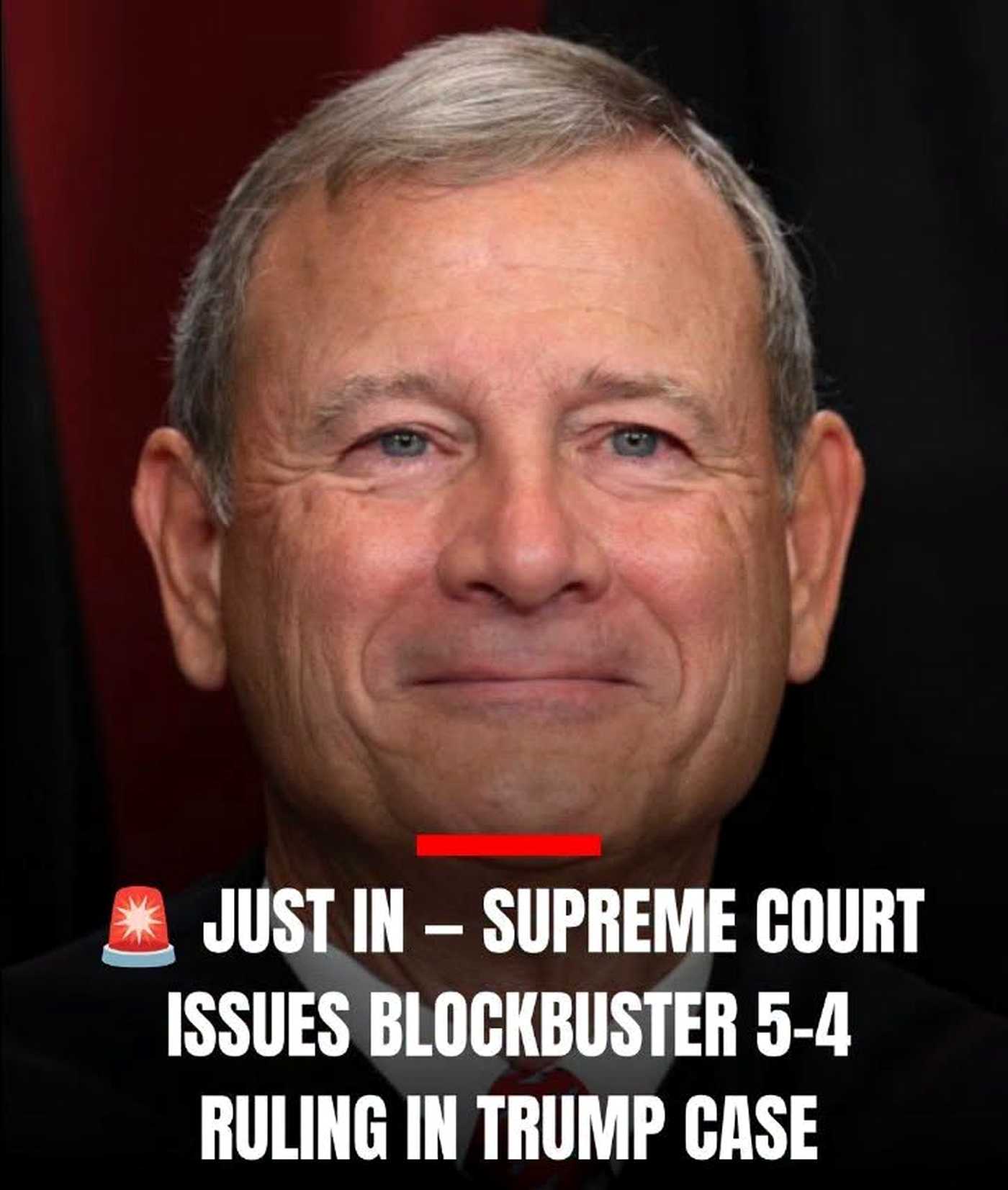
The U.S. Supreme Court declined to take up a challenge to tariffs imposed on Chinese imports during President Donald Trump’s first term, leaving the trade measures in place.
S. Court of Appeals for the Federal Circuit ruled last year that Trump lawfully imposed the duties under Section 301 of the Trade Act of 1974.
The tariffs were first announced in 2018 as part of the administration’s response to what it said were unfair Chinese trade practices involving technology transfer, intellectual property, and innovation.
Advertisement The companies asked the Supreme Court to review the appeals court’s decision, arguing that the tariffs exceeded the president’s authority
The companies asked the Supreme Court to review the appeals court’s decision, arguing that the tariffs exceeded the president’s authority
However, the justices declined to hear the case, effectively allowing the lower court ruling to stand.
The court did not provide a reason for denying the petition.
Advertisement The decision leaves intact the tariffs that have remained a central feature of U. S. -China trade policy since their imposition.
According to a petition filed by the importers on Feb
The administration later broadened the tariffs after China responded with its own retaliatory duties. Officials cited Section 307 of the Trade Act, which permits the president to modify existing trade actions to address unfair trade practices, as the basis for expanding the tariff measures.
“But Congress nowhere gave [the Office of the U. S. Trade Representative (USTR)] the vast power to engage in an open-ended trade war under that modest modification provision.
Yet that is precisely what happened here,” the importers said
That USTR’s ‘modification’ continues to impose billions of dollars in taxes on the American public each month is enough to warrant this court’s review,” the petitioners argued
In a May filing, the administration contended that the case did not warrant Supreme Court review and stated that the law permits the USTR to adjust tariffs as long as the modifications “are not radically transformative. ”
Accordingly, modifications imposed under Section 307(a) necessarily comport with the Act’s scheme because they are limited to actions appropriate to address the same problem that the original Section 301 actions addressed, as that problem has evolved over time,” said the filing
After returning to office in 2025, President Donald Trump invoked the International Emergency Economic Powers Act (IEEPA) to impose tariffs on a range of trading partners, arguing that the measures were necessary to address what he described as an “unusual and extraordinary threat” to U. S
The high court struck down those tariffs in February, finding that the IEEPA does not clearly grant the president authority to impose tariffs.
Following the ruling, the Trump administration began exploring other legal mechanisms to pursue its trade agenda
trading partners, potentially laying the groundwork for additional trade actions
Trade Representative Jamieson Greer announced that his office would launch a new series of Section 301 investigations involving most major U. S. trading partners, potentially laying the groundwork for additional trade actions.
The new trade investigations will cover various areas, including industrial excess capacity, forced labor, pharmaceutical pricing practices, discrimination against U
S. technology companies and digital goods and services, digital services taxes, and ocean pollution,” The Epoch Times noted.
On Tuesday, the high court declined to hear the case of a 98-year-old federal judge who challenged her ongoing suspension from an appeals court in the nation’s capital.
The court’s latest ruling in Newman v
Moore was issued as an unsigned order
No justices dissented. Again, the court did not give reasons for its decision.
Judge Pauline Newman, who will turn 99 on June 20, serves on the U. S. Court of Appeals for the Federal Circuit.
In March, she filed a petition with the Supreme Court, arguing the Federal Circuit unconstitutionally forced her out of her position after an investigation determined her alleged cognitive deterioration rendered her unfit for the job.