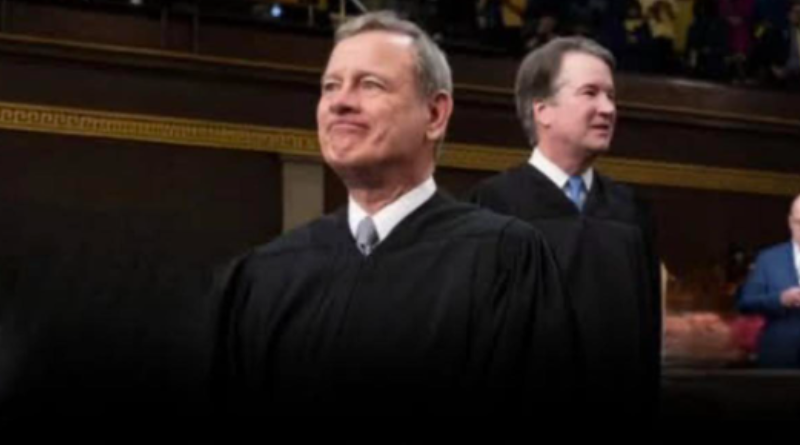
The U.S. Supreme Court on Wednesday declined to revive a Florida immigration law that would have allowed state authorities to prosecute migrants who entered the state after crossing the U.S. border unlawfully. The court issued an unsigned order in response to an emergency appeal and did not provide an explanation or note any dissenting opinions.
The law, known as SB 4-C, had been blocked by U.S. District Judge Kathleen Williams, who determined it was likely preempted by federal immigration law. That decision was upheld by the U.S. Court of Appeals for the Eleventh Circuit, leading Florida Attorney General James Uthmeier to seek intervention from the high court. He argued the statute aligned closely with federal law and was necessary to address illegal immigration.
The Supreme Court’s action stands in contrast to its earlier decision allowing a similar Texas law to take effect, though no reasoning was provided for the different outcome.
In Minnesota, immigration enforcement has also sparked debate. Governor Tim Walz criticized recent federal operations following a fatal incident involving a U.S. Border Patrol agent. He said some residents felt unsafe and drew historical comparisons that drew attention.
Minneapolis Mayor Jacob Frey echoed concerns, while former acting ICE director Jonathan Fahey argued such responses risk undermining federal immigration enforcement authority.