Cuban President Miguel Díaz-Canel confirmed Friday that Havana is engaging in talks with the Trump administration as the island faces a deepening energy crisis and mounting economic pressure. Speaking at a 90-minute news conference broadcast by state media, Díaz-Canel said the discussions aim to address long-standing political differences between the two nations. The New York Times first reported details of the negotiations.
Cuban officials stressed that political reforms are not part of the discussions. Lianys Torres Rivera, Cuba’s chief of mission in the U.S., told Politico that changes to the political system remain off the table.
The crisis has worsened after the Trump administration halted oil exports to Cuba following the U.S. capture of Venezuelan President Nicolás Maduro. The loss of Venezuelan energy has strained infrastructure, affecting transportation, healthcare, and education. Torres Rivera highlighted that roughly 11,000 children are currently on waiting lists for surgeries and medical procedures.
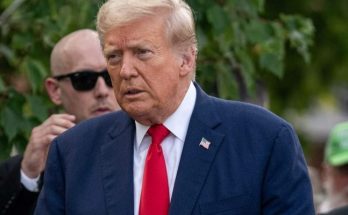
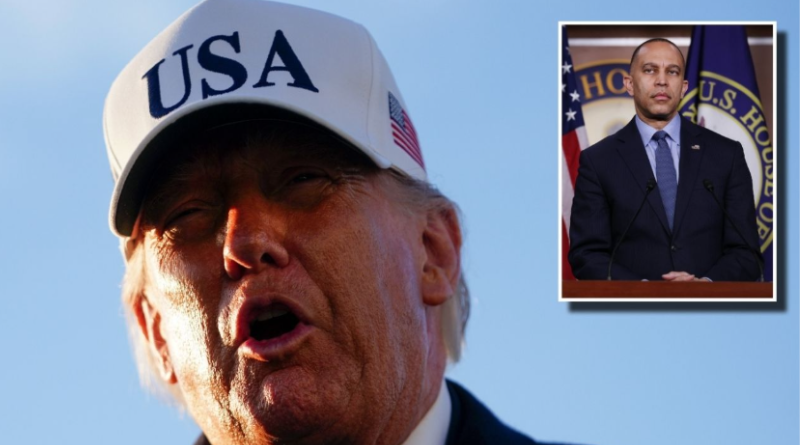
Trump acknowledged the situation publicly, suggesting a deal could be reached easily and hinting at a possible “friendly takeover” of Cuba. Secretary of State Marco Rubio, a Cuban-American, is leading the U.S. side, working closely with Raúl Rodríguez Castro, grandson of former Cuban President Raúl Castro.
Díaz-Canel described the talks as preliminary, noting that both sides are evaluating whether concrete agreements are possible. He also emphasized the severity of the island’s fuel shortage, stating no fuel ships have arrived in three months, creating daily hardships for the population.
In a gesture of goodwill, the Cuban government announced it would release 51 prisoners in the coming days, though human rights groups caution that this step falls far short of the broader reforms many have demanded.