Comey Indicted Over Social Media Post, Arrest Warrant Issued
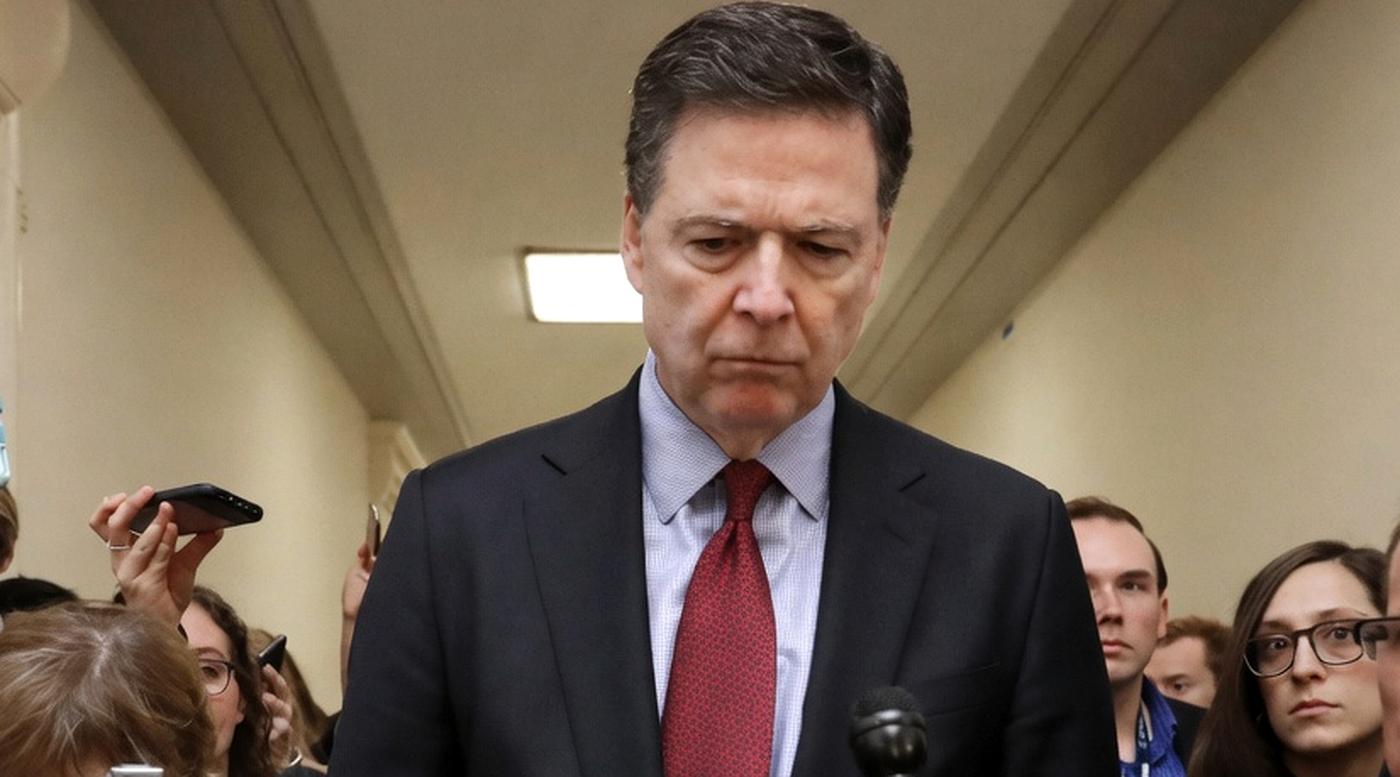
A federal grand jury has indicted former FBI Director James Comey on two criminal counts tied to a 2025 social media post, prompting a federal judge in North Carolina to issue an arrest warrant as the case moves forward.
According to the indictment, the charges stem from a May 2025 Instagram post in which Comey shared a photograph of seashells arranged to form the numbers “86 47.” Federal prosecutors allege the message constituted a threat against President Donald Trump, interpreting “86” as slang for “eliminate” and “47” as a reference to Trump’s status as the 47th president.
Comey removed the post shortly after it drew attention and later stated that he did not intend it as a threat. He said he believed the numbers represented a political message and that he was unaware of any violent interpretation at the time.
Comey removed the post shortly after it drew attention and later stated that he did not intend it as a threat “I didn’t realize some folks associate those numbers with violence,” Comey said in a statement after deleting the post. “I oppose violence of any kind.”
The indictment charges Comey with knowingly making a threat against the president and transmitting that threat across state lines, offenses that fall under federal criminal statutes governing threats and interstate communications
The indictment charges Comey with knowingly making a threat against the president and transmitting that threat across state lines, offenses that fall under federal criminal statutes governing threats and interstate communications.
Acting Attorney General Todd Blanche addressed the development, noting that the legal process was initiated by a grand jury rather than directly by the Justice Department.
Acting Attorney General Todd Blanche addressed the development, noting that the legal process was initiated by a grand jury rather than directly by the Justice Department “The grand jury returned an indictment and arrest warrant,” Blanche said, explaining that such warrants are standard procedure following a finding of probable cause in federal cases.
My wife and I were walking on the beach, and saw those numbers in shells… Somebody else did it…
“My wife and I were walking on the beach, and saw those numbers in shells… Somebody else did it…”
The most sickening part of this obvious lie is Colbert is playing the set-up man to help Comey lie.
Our broadcast networks are absolutely disgusting.pic.twitter.com/fYLraybUZ0
Kyle Becker (@kylenabecker) May 21, 2025 Once a grand jury issues an indictment, a federal court typically authorizes either an arrest warrant or a summons
— Kyle Becker (@kylenabecker) May 21, 2025 Once a grand jury issues an indictment, a federal court typically authorizes either an arrest warrant or a summons. An arrest warrant directs law enforcement—often the United States Marshals Service—to take the defendant into custody, while a summons allows the individual to appear voluntarily at a scheduled court date.
In this case, the court opted for an arrest warrant rather than a summons. It remains unclear whether Comey will be taken into custody or allowed to arrange a voluntary surrender.
Once a grand jury issues an indictment, a federal court typically authorizes either an arrest warrant or a summons The development marks the second time in less than a year that Comey has faced federal charges. In 2025, he was indicted in a separate case involving allegations of making false statements to Congress and obstructing a congressional investigation tied to his testimony before the Senate Judiciary Committee in 2020.
That earlier case was dismissed without prejudice after a federal judge ruled that the prosecutor who brought the charges had been improperly appointed
That earlier case was dismissed without prejudice after a federal judge ruled that the prosecutor who brought the charges had been improperly appointed. Because the dismissal was procedural rather than based on the merits of the case, it left open the possibility for prosecutors to refile charges.
Legal analysts say the current case will likely focus on whether the social media post meets the legal threshold for a “true threat,” a standard that requires prosecutors to show intent or recklessness regarding how the message would be perceived.
That earlier case was dismissed without prejudice after a federal judge ruled that the prosecutor who brought the charges had been improperly appointed The defense is expected to argue that the post lacked intent to threaten and falls under protected speech, while prosecutors will likely emphasize the broader context and interpretation of the message.
The case also raises broader questions about how courts interpret online speech, particularly when slang, symbolism, or ambiguous messaging is involved
The case also raises broader questions about how courts interpret online speech, particularly when slang, symbolism, or ambiguous messaging is involved. Federal courts have increasingly grappled with cases involving social media posts, where meaning can be contested and context plays a central role.
If convicted on both counts, Comey could face significant penalties, including potential prison time, though sentencing would ultimately depend on federal guidelines and judicial discretion.
The case also raises broader questions about how courts interpret online speech, particularly when slang, symbolism, or ambiguous messaging is involved As of now, Comey has not entered a plea in the new case, and further proceedings are expected in the coming weeks. The case is likely to draw national attention given Comey’s high-profile role in past federal investigations and his position as a former head of the FBI.
With the legal process now underway, the focus will shift to pretrial motions, evidentiary arguments, and the court’s determination of whether the charges meet the legal standards required for prosecution
With the legal process now underway, the focus will shift to pretrial motions, evidentiary arguments, and the court’s determination of whether the charges meet the legal standards required for prosecution.