Trump Reportedly Angered by Israel’s Strikes on Iranian Oil Facilities
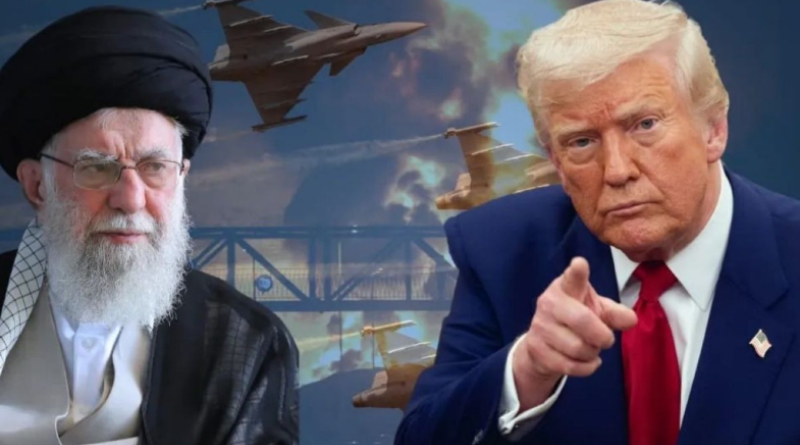
President Donald Trump was reportedly upset over the weekend after Israel hit Iranian oil storage sites and a refinery near Tehran. The strikes caused huge fires, pushed crude oil prices higher, and highlighted growing tension between the U.S. and Israel. According to Axios, the attacks went much further than Washington expected, even though Israel gave advance notice.
U.S. officials called the scope “wide-ranging” and said privately, “We don’t think it was a good idea.” One Israeli source described the American reaction as a blunt “WTF.” The White House and Israel Defense Forces have not confirmed these private exchanges. Still, the episode marks the first clear sign of strain in U.S.-Israeli coordination since the conflict escalated on February 28, 2026, under Operation Epic Fury.
This development matters because energy prices affect everyday Americans. Higher gas costs hit wallets hard. Trump’s team has stressed keeping oil markets stable while pressuring Iran. The strikes tested that balance.
What Happened in the Israeli Strikes
Israel targeted oil depots and a refinery around Tehran. Officials in Jerusalem argued these sites fueled Iranian missile launches. Video on social media showed massive flames and thick black smoke rising over industrial areas.
Iranian authorities warned people to stay indoors. Reports described fuel leaks igniting and oil-slicked runoff burning in streets. Some residents mentioned darkened rain mixed with soot.
The damage looked dramatic. However, it did not appear to knock out Iran’s entire oil system right away. Markets reacted fast but later calmed.
Why Trump Was Reportedly Upset
A Trump adviser told Axios the president disliked the attack for two main reasons:
- He wants to preserve oil, not burn it.
- The strikes remind people of higher gas prices.
Trump has focused on strong but limited pressure on Iran. He aims to weaken military capabilities without sparking a bigger crisis. Striking energy sites risks wider economic fallout and domestic backlash in the U.S.
From my observation of past Middle East conflicts, leaders often weigh military gains against oil price spikes. Sharp jumps in crude can hurt approval ratings fast.
Market Reaction and Global Response
Oil prices surged right after the strikes. By late Monday and Tuesday, they dropped as much as 12%. Bloomberg noted the reversal came from global assurances that supply shocks could be managed.
The International Energy Agency held an emergency meeting. The Group of Seven nations asked the agency to prepare plans for releasing emergency stockpiles if needed.
Iran warned it could target regional energy sites in response. A military spokesperson mentioned crude could reach $200 per barrel if the Strait of Hormuz faces disruption. That narrow waterway handles a big share of world oil shipments.
So far, markets have stabilized somewhat. But volatility remains high as the conflict continues.
Strategic and Political Risks
The strikes carry risks inside Iran too. Attacks on economic infrastructure can create nationalist anger, even among people who dislike the regime. U.S. officials worry such moves might rally support around Tehran’s leaders.
Israel saw the oil facilities as fair military targets linked to missiles. Washington appears more focused on avoiding escalation, keeping energy stable, and protecting the U.S. economy.
Trump’s strategy emphasizes degrading Iran’s forces while preserving allied unity and preventing a full regional war. The oil strikes complicate that approach.
What This Means Going Forward
The reported frustration shows coalition management is tricky in intense conflicts. No public rebuke from the White House has come yet. Private debate likely continues over how far to push against economic targets.
Energy prices and gas costs will stay in focus for American families. The administration wants pressure on Iran without self-inflicted economic pain.
Stay updated through trusted sources like Axios for diplomatic details or Bloomberg for market moves. The situation can change quickly.
What do you think about striking oil facilities in conflicts like this? Does it help military goals or create bigger problems? Share your thoughts below.