https://darafreshnews.com/9xvq/Trump-Warns-Iran-of-83JKdhl
The Department of Homeland Security funding impasse, now approaching 50 days, moved closer to resolution
The Department of Homeland Security funding impasse, now approaching 50 days, moved closer to resolution Thursday after the Senate advanced a measure to fund most of the agency. The Senate approved the proposal by voice vote, sending a bipartisan agreement to the House that would fund DHS operations while excluding immigration enforcement and border security initiatives tied to Donald Trump’s agenda.
The House is not expected to take up the legislation until lawmakers return to Washington on April 13, Fox News reported.
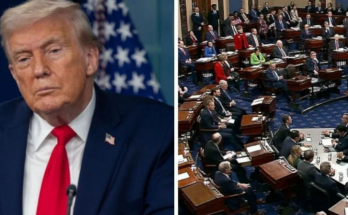
The Senate vote follows Republican leaders backing a two-track approach to funding the Department of Homeland Security, with President Donald Trump urging lawmakers to resolve the prolonged funding lapse.
Under the Senate measure, lawmakers advanced a bipartisan effort to fund most DHS operations, while excluding funding for U.S. Immigration and Customs Enforcement and much of the Border Patrol. The proposal includes $11 billion for customs-related operations, but does not provide funding for ICE under the current framework.
Republicans have said they plan to address funding for ICE and the Border Patrol separately through a budget reconciliation package that would not require Democratic support. Trump has indicated he wants that legislation finalized and delivered to his desk by June 1, Fox added.
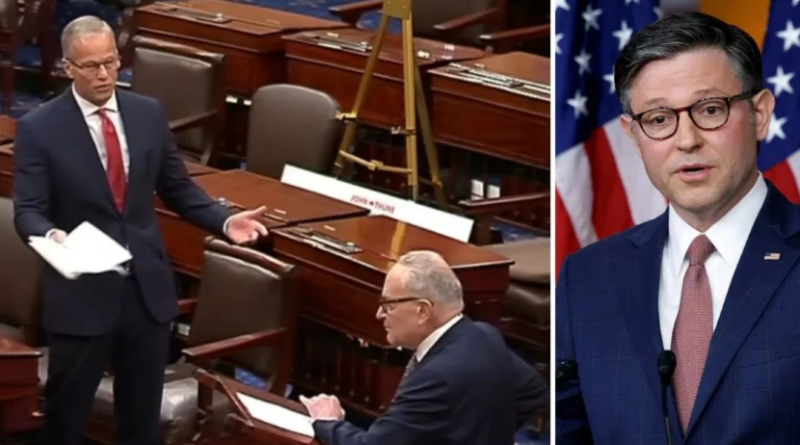
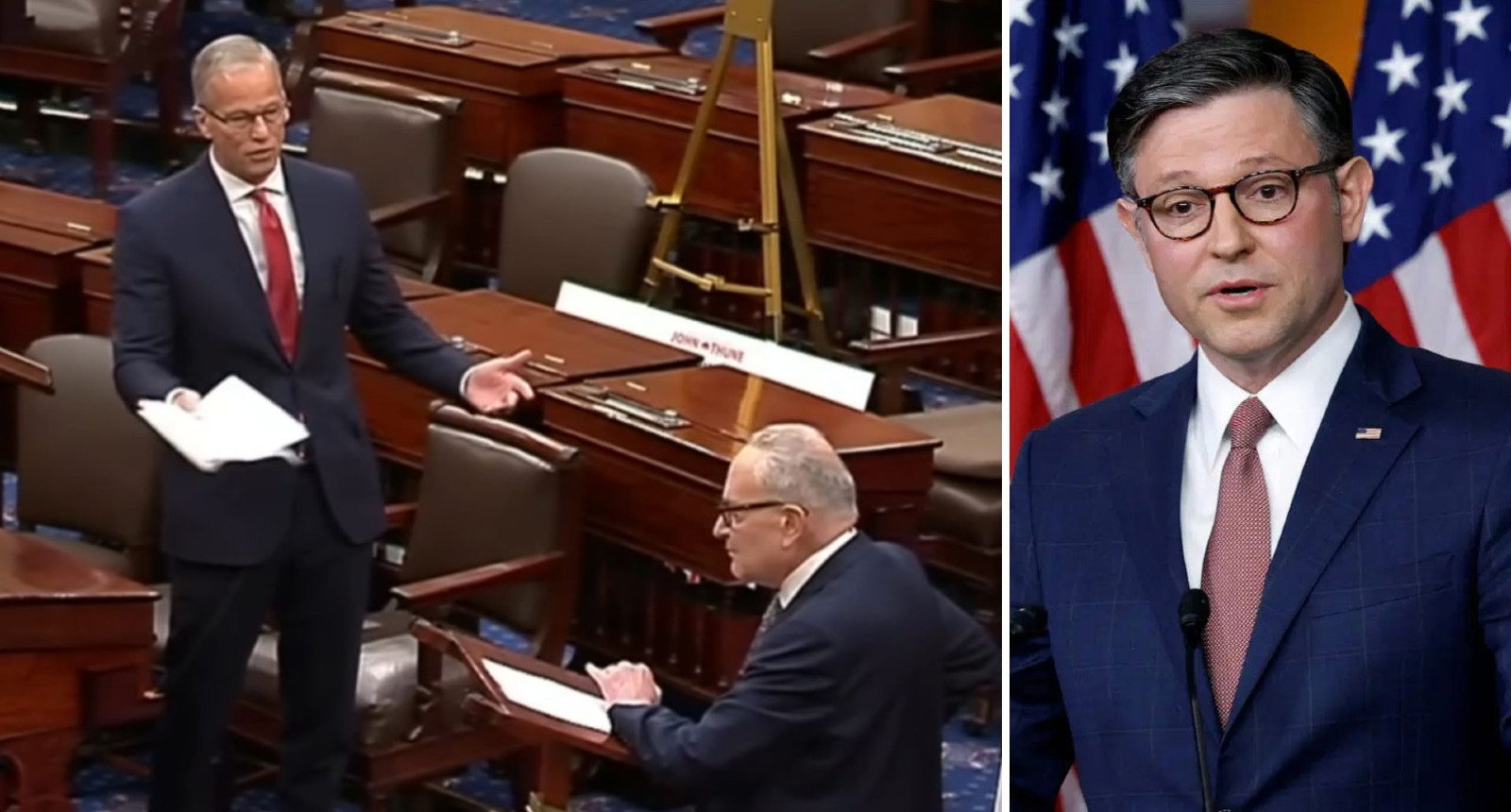
The Senate’s passage of the bill marked a familiar moment for Senate Majority Leader John
The Senate’s passage of the bill marked a familiar moment for Senate Majority Leader John Thune, who had previously helped guide the same measure through the chamber.
However, House Republican leaders rejected the proposal, calling it a “crap sandwich” for its exclusion of funding for immigration enforcement agencies such as ICE and Customs and Border Protection. They instead advanced an alternative plan, which Senate Minority Leader Chuck Schumer said it was “dead on arrival” in the upper chamber.
Thune expressed optimism shortly after the vote, stating that he hoped the House would quickly advance the bill, with the next step being budget reconciliation. However, he placed the blame for Congress’s current situation on Senate Democrats rather than on the infighting among Republicans at the finish line.
“I think this whole where we are is just a regrettable place. We have the Democrats who are holding the appropriations process hostage and their anti-law enforcement, open borders, defund the police wing is the ascendant wing,” Thune said. “And there, I think everybody’s afraid of them, and so we’re stuck in a spot that’s just not good for the country, the future of the appropriations process, or, for that matter, the future of the Senate.”
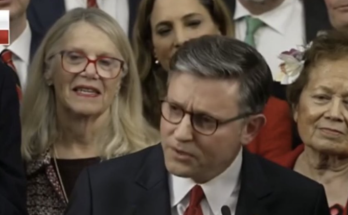
House Speaker Mike Johnson, R-La., seemed to give in on Wednesday after Trump released a statement advocating for a resolution to the shutdown that appeared to align with Thune’s proposed two-part strategy for funding the department, said Fox.
As the DHS shutdown continues, Trump and congressional Republicans are betting that budget reconciliation will
As the DHS shutdown continues, Trump and congressional Republicans are betting that budget reconciliation will be the key to funding immigration enforcement for the coming years. Some members of the GOP have even suggested providing funding for ICE not only during Trump’s presidency but potentially for up to a decade.
https://darafreshnews.com/9xvq/Trump-Warns-Iran-of-83JKdhl
Last year, the Republican Party employed the same process to allocate $75 billion for ICE enforcement operations over the next four fiscal years. However, the party-line approach comes with several challenges that could strain Republican unity as an election year approaches.
Republican lawmakers will need to identify spending offsets to advance the proposed funding plan, a process that has previously exposed divisions within the party.
During passage of major legislation in July 2025, Republicans faced internal disagreements over proposed reductions to federal programs such as Medicaid and food assistance, nearly complicating final approval.