Federal Judge Blocks Trump’s $100,000 H-1B Visa Fee
A federal judge has struck down one of President Donald Trump’s most aggressive efforts to reform the H-1B visa program.
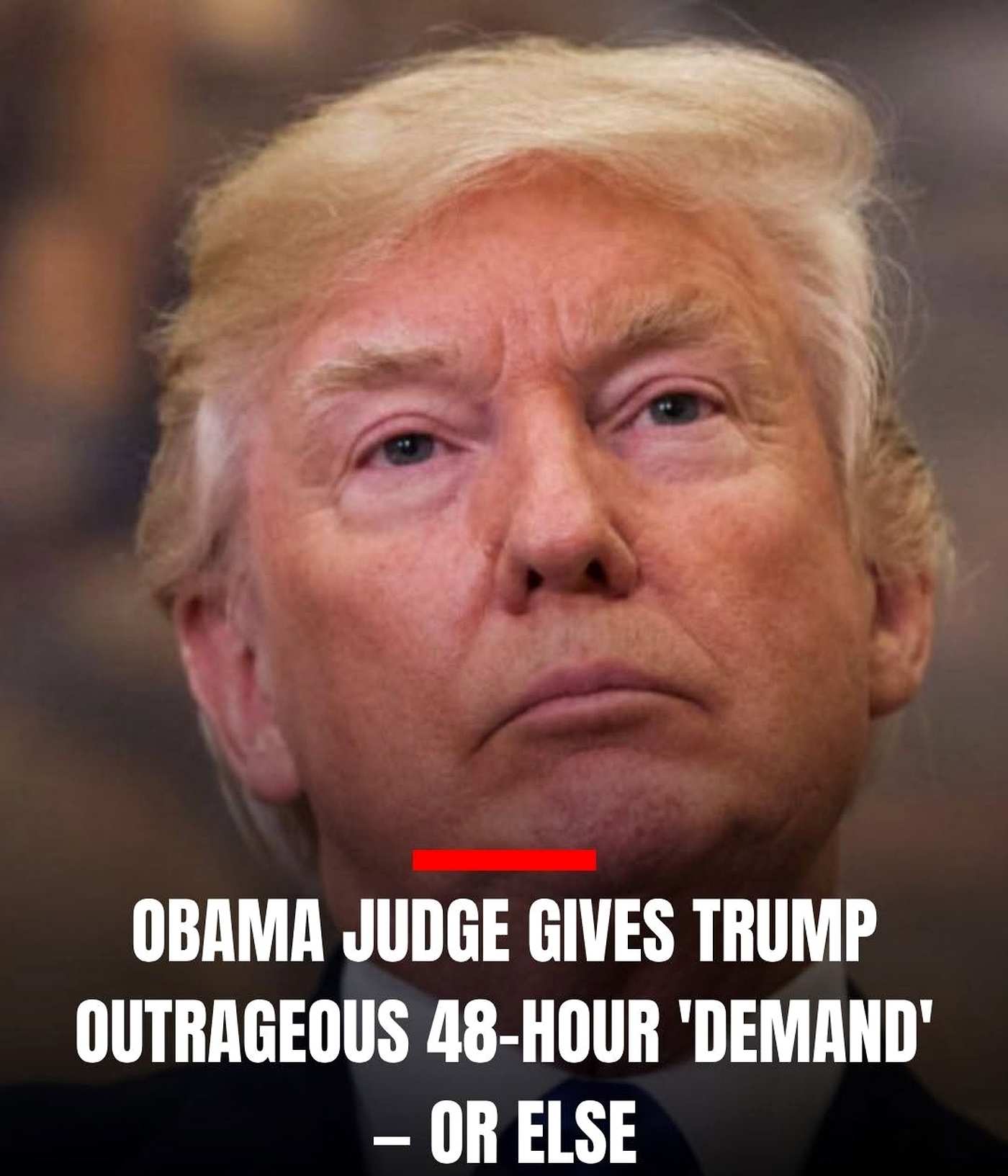
District Judge Leo Sorokin, an Obama appointee serving on the federal bench in Massachusetts, ruled that the administration lacked the authority to impose a $100,000 fee on employers seeking to hire foreign workers through the program.
Advertisement Sorokin ruled Monday that the fee violated both federal law and the Constitution.
The decision blocks a Trump administration policy that required employers to pay $100,000 when filing new H-1B visa petitions, a move the White House argued was necessary to discourage abuse of the visa system and protect American workers.
In his ruling, Sorokin concluded that the fee functioned as a tax rather than a regulatory charge and said Congress never granted the executive branch authority to impose such a levy
Advertisement “The substance and application of the $100,000 payment reveal that it is a tax,” Sorokin wrote, finding that the administration had exceeded its legal authority.
The ruling represents a significant setback for the administration’s broader effort to tighten restrictions on foreign worker programs and prioritize American workers in high-skilled industries.
Advertisement The H 1B visa program, created by Congress in 1990, allows U.S
The H-1B visa program, created by Congress in 1990, allows U. S. employers to hire foreign nationals in specialty occupations requiring specialized knowledge and education.
The visas are heavily utilized by major technology companies, engineering firms, healthcare providers, and other industries that rely on highly skilled labor.
Supporters of the program argue it helps American companies fill critical workforce shortages and remain competitive in global markets.
Critics, however, have long argued that the program is frequently abused and can be used to replace American workers with lower cost foreign labor
The Trump administration made reforming the H-1B system a central part of its immigration agenda.
When announcing new restrictions last year, the White House pointed to numerous examples of American workers being displaced by foreign labor brought in through visa programs.
Administration officials also argued that abuse of the program raises broader economic and national security concerns
The White House cited investigations involving visa fraud, money laundering schemes, and other criminal activity connected to some companies heavily reliant on H-1B workers.
Officials further argued that widespread use of foreign labor in technical fields can discourage American students from pursuing careers in science, technology, engineering, and mathematics.
The administration pointed to research suggesting that wages and employment opportunities for American computer scientists would have been substantially higher absent large scale importation of foreign labor into the technology sector
Under Trump’s policy, the $100,000 fee was intended to serve as both a deterrent and a mechanism for ensuring employers only utilized the program when truly necessary.
Supporters viewed the fee as a way to encourage businesses to invest more heavily in recruiting and training American workers before turning to overseas labor markets.
Business groups and immigration advocates strongly opposed the policy, arguing that it would effectively shut down legal pathways for many companies seeking highly skilled employees
The lawsuit challenging the fee was filed by employers and industry groups who argued that the administration had attempted to create a massive new financial burden without congressional approval.
Judge Sorokin ultimately agreed with those arguments.
His ruling emphasized that taxes must generally be authorized by Congress and that executive agencies cannot simply create new revenue generating mechanisms on their own
The decision is likely to reignite debate over the future of the H-1B program and the broader question of how the United States should balance workforce needs with protections for domestic workers.
Many conservatives have long argued that H-1B reforms are necessary to prevent corporations from using foreign labor to suppress wages and replace qualified American workers.
The Trump administration is expected to appeal the ruling, setting up another legal battle over executive authority and immigration policy
This article may contain commentary which reflects the author’s opinion.