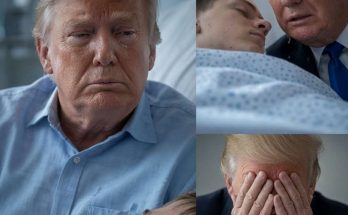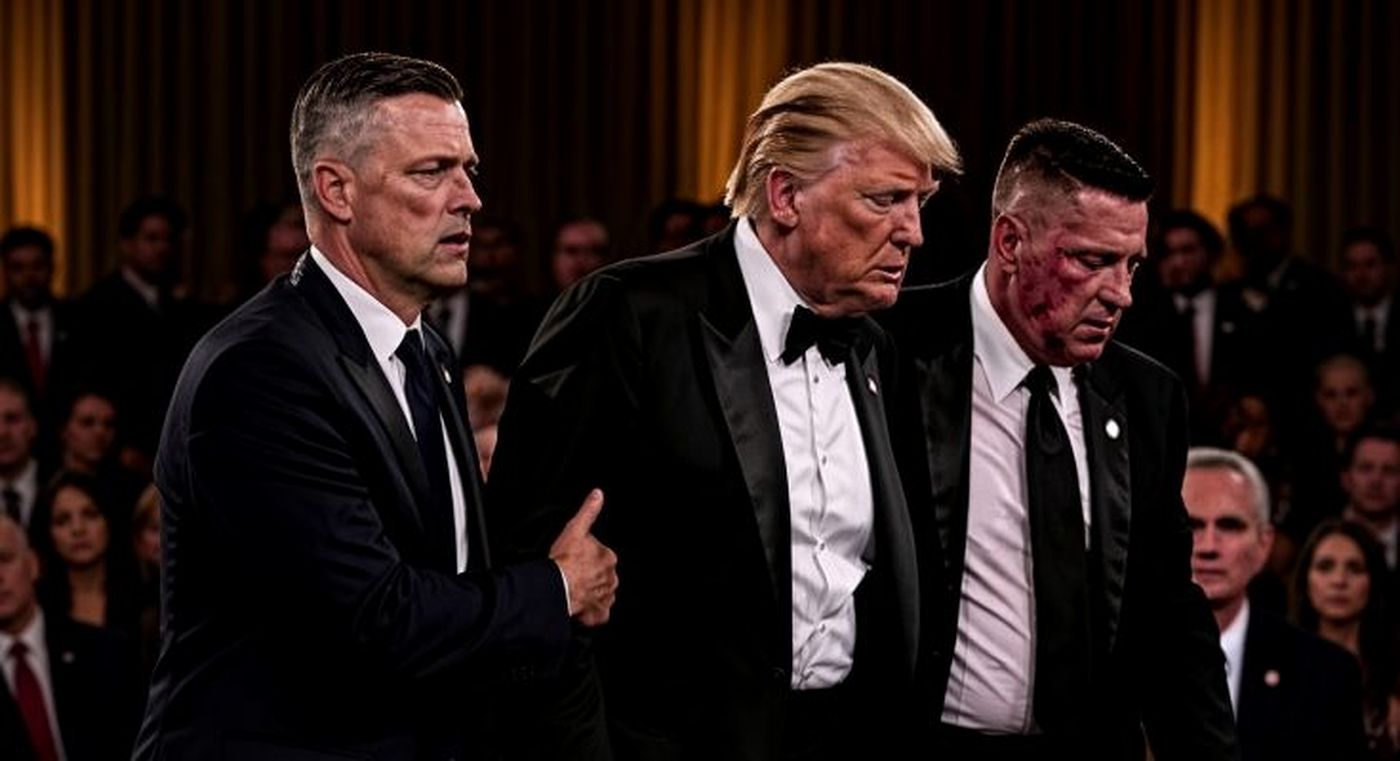
WASHINGTON — A wave of viral social media posts alleging that former President Donald Trump was targeted in a fresh shooting in Washington, D.C., sparked widespread online confusion and concern, despite a complete absence of corroborating evidence from law enforcement, government officials, or medical institutions.
The unverified reports, which spread across multiple digital platforms within hours, claimed that Trump had been “shot again” in the nation’s capital. However, neither the U.S. Secret Service, the Metropolitan Police Department, federal security agencies, nor the former president’s representatives have issued any statement or alert suggesting an incident took place. Major domestic and international news agencies have reported no such occurrence, and public schedules indicated normal operations.
Any genuine security breach involving a former commander-in-chief—particularly one surrounded by round-the-clock protective details and constant media scrutiny—inevitably triggers immediate public response protocols. These include high-visibility police perimeters, rapid emergency briefings, formal press advisories from the Secret Service, and wall-to-wall live news broadcasts. None of those hallmarks occurred, confirming the claims as baseless rumor.
The fabricated assertions appear to have originated among high-engagement accounts that trade on breaking-news framing and sensational headlines. Within minutes, algorithms accelerated the posts, aided by speculative commentary and users sharing the text without pausing to verify its source. In several iterations of the rumor, posters paired alarmist captions with recycled archival photographs and video clips, stripping historical footage of its original context to manufacture an impression of breaking developments.
Misinformation researchers point out that repurposing older media is a frequent tactic during breaking-news vacuums. By deploying recognizable imagery from earlier, confirmed emergencies, bad actors can bypass readers’ skepticism before fact-checkers and platform moderation tools can intervene.
Heightened sensitivity around Trump’s physical security remains exceptionally elevated following confirmed security episodes during the 2024 presidential campaign. In July 2024, Trump was wounded in the right ear when a gunman opened fire at an outdoor political rally in Butler, Pennsylvania—an attack that resulted in the death of an attendee, critical injuries to two others, and the shooter being killed by a Secret Service counter-sniper. Months later, in September 2024, federal authorities thwarted an apparent assassination attempt at Trump International Golf Club in West Palm Beach, Florida, arresting an armed suspect spotted along the tree line.
Those verified, heavily investigated events altered the threat landscape surrounding Trump, prompting enhanced security perimeters, bullet-resistant glass enclosures at outdoor appearances, and heightened public vigilance. Consequently, even vague insinuations of a new attack find fertile ground among an audience already conditioned to the reality of physical threats against national leaders.
National security analysts and digital media specialists caution that unvetted rumors of political violence carry tangible risks. Beyond inflaming an already polarized political atmosphere, viral hoaxes can overburden public safety dispatchers, divert law enforcement resources toward debunking non-events, and stoke panic among the public. In moments of heightened partisan tension, emotionally charged headlines routinely outpace cautious reporting, driving viral distribution before corrections can register.
The velocity of this latest episode underscores the persistent vulnerability of modern information ecosystems. On platforms where algorithmic incentives reward velocity and engagement over factual accuracy, unverified assertions frequently mimic the visual styling of credible journalism. Without transparent sourcing or primary attribution, such material easily blurs the line between legitimate reporting and manufactured hysteria.
Federal authorities continue to urge the public and social media users to exercise caution when encountering sensational claims, advising news consumers to rely on verified briefings from law enforcement agencies, formal statements from government institutions, and established journalistic organizations that operate under rigorous corroboration standards.
As of now, all evidence confirms that the circulating reports of a new shooting involving Trump are unfounded fabrications. Until documented otherwise by verified sources, the claims remain entirely unsubstantiated internet rumor.