WASHINGTON — A intensifying constitutional and political debate has taken center stage ahead of the 2026 midterm
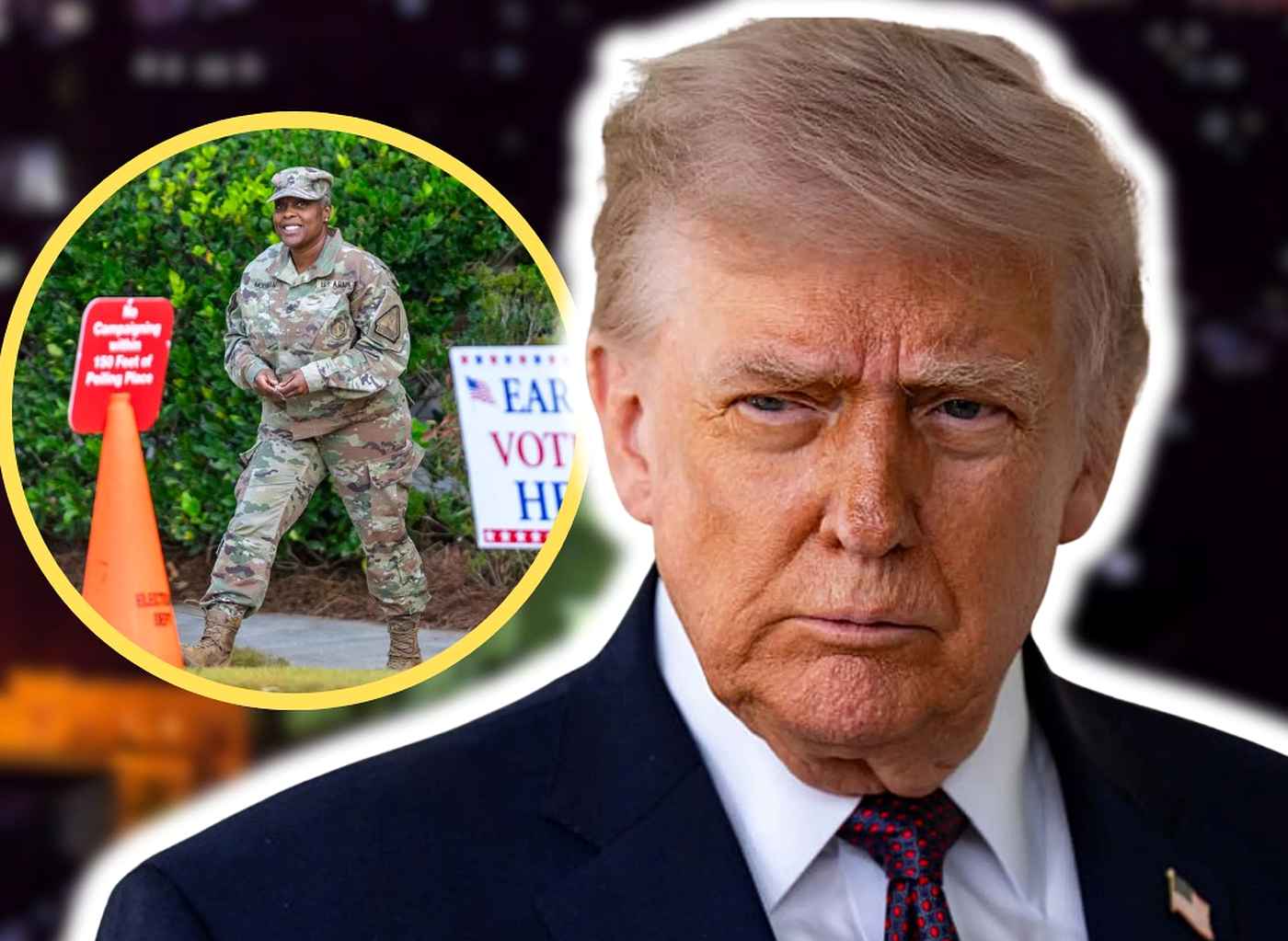
elections following President Donald Trump’s recent statements refusing to rule out the deployment of federalized National Guard troops and federal law enforcement agents to oversee polling locations nationwide.
When questioned by reporters regarding the potential deployment of the National Guard or Immigration and Customs Enforcement (ICE) personnel, Trump asserted he would do “anything necessary to make sure we have honest elections. ” Acting Attorney General Todd Blanche and other senior administration officials have defended the proposal, questioning the opposition to placing federal officers at polling sites to monitor eligibility.
The proposal has drawn swift and uniform condemnation from Democratic lawmakers, civil rights organizations, and military oversight advocates, who characterize the planned intervention as a severe form of voter intimidation. Critics argue that stationing armed personnel at the polls is an unprecedented use of executive power designed to disrupt the democratic process and depress voter turnout, particularly in marginalized communities.
During congressional hearings, lawmakers like Senator Tammy Duckworth pressed senior defense officials to establish immediate guardrails, warning that misusing military assets for domestic political objectives exposes service members to significant legal liability.
Constitutional scholars and legal analysts point out that the administration faces stringent statutory barriers. Under long-standing federal law dating back to the Reconstruction era, it is a federal crime punishable by up to five years in prison to deploy “troops or armed men” to any polling place unless explicitly required to repel “armed enemies of the United States.
” Legal organizations, including the Brennan Center for Justice, have noted that neither standard national emergency declarations nor the Insurrection Act grant the executive branch the authority to override these statutory protections or interfere with state-administered election systems.
The standoff has prompted various state level reactions, dividing along partisan lines
While some conservative governors have expressed a willingness to coordinate security measures with Washington, several Democratic-led states have initiated legislative efforts to bar federal personnel from voting sites. Furthermore, a December Supreme Court ruling that left in place an injunction preventing the unilateral federalization of the Illinois National Guard suggests that any executive attempt to deploy forces without gubernatorial consent will face immediate, aggressive challenges in federal court.
References:
Democracy Docket. (2026, May 12). ‘Anything necessary’: Trump won’t rule out sending troops to polls.
Senator Tammy Duckworth of Illinois
Senator Tammy Duckworth of Illinois. (2026, March 19). Duckworth presses military officials to oppose Trump’s efforts to intimidate voters at polling places.
News From The States. (2026, April 17). National Guard ‘follows the Constitution,’ general says of troops possibly deployed to polls.
Brennan Center for Justice. (2025, October 22). Federal and state election laws ban federal forces from polling places.