Today, tensions in the Middle East escalated further, with several major developments reported. Iran warned that it would show no restraint if its energy infrastructure were attacked again, following Israel’s strike on its South Pars site on Wednesday. The attack has heightened fears of a broader regional conflict.
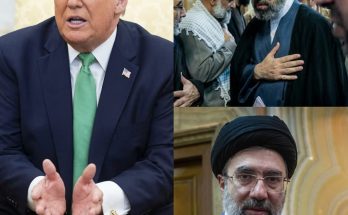
President Donald Trump clarified that the United States had no involvement in Israel’s actions at South Pars, describing the strike as a “violent lash out.” He also said he had instructed Israeli Prime Minister Benjamin Netanyahu to halt further attacks on Iranian energy infrastructure.
The conflict is having a significant economic impact. Approximately 17 percent of Qatar’s liquefied natural gas export capacity has been destroyed, according to QatarEnergy’s CEO, resulting in an estimated $20 billion in lost annual revenue. This disruption threatens global energy supplies and has sent markets into volatility.
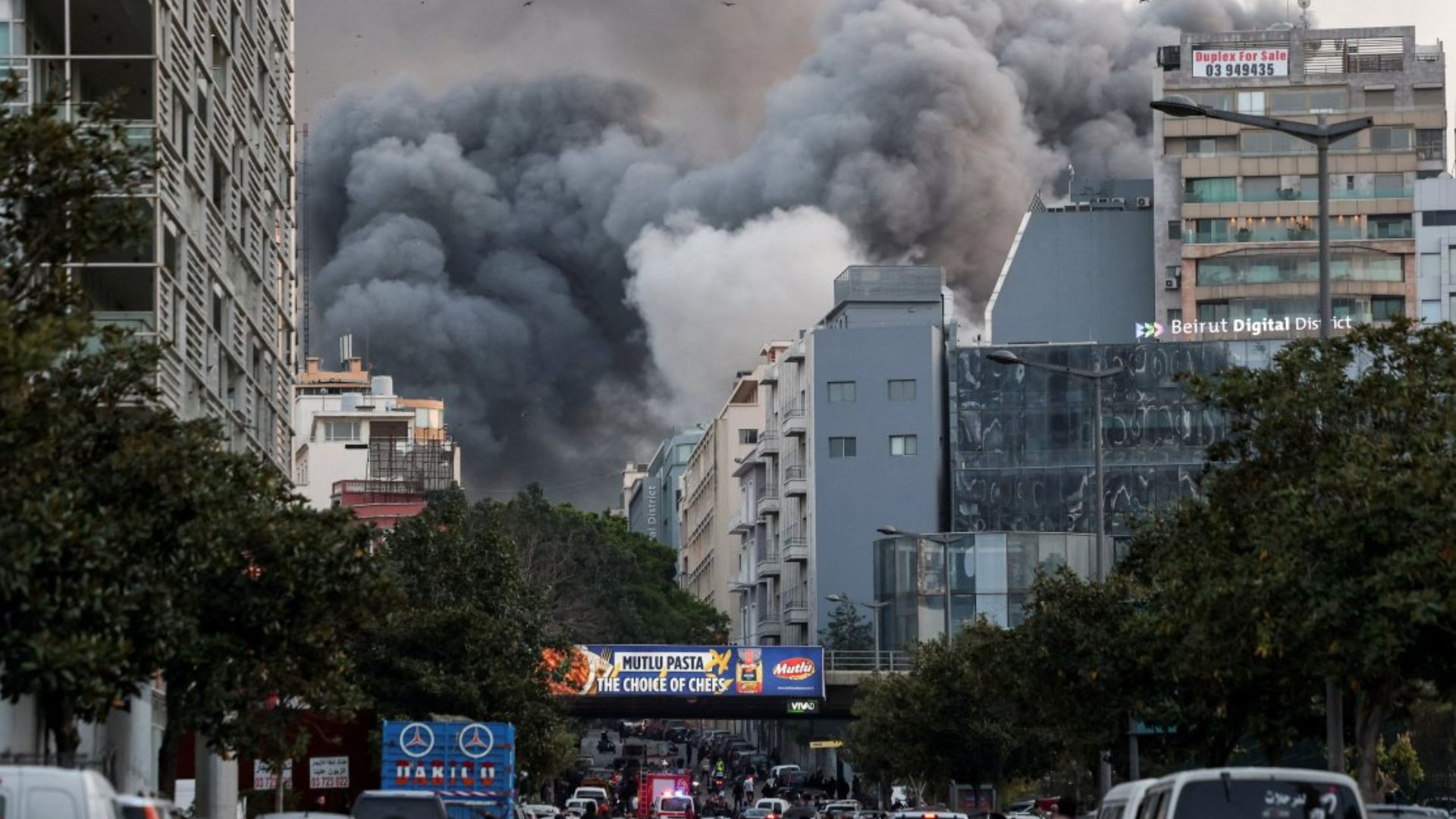
The human toll continues to rise. In Lebanon, the death count has surpassed 1,000 since Israeli attacks intensified on March 2, with at least 2,584 people wounded. More than 1 million residents have been forcibly displaced, creating a growing humanitarian crisis.
International responses are beginning to take shape. Leaders from several European countries, as well as Canada and Japan, expressed their readiness to support efforts to ensure safe passage through the Strait of Hormuz. Their statements highlight growing concern over the conflict’s impact on regional security and global energy trade.
As the situation develops, the region remains on high alert. Both military and civilian populations face ongoing risks, and diplomatic efforts are increasingly critical to prevent further escalation and mitigate humanitarian and economic consequences.