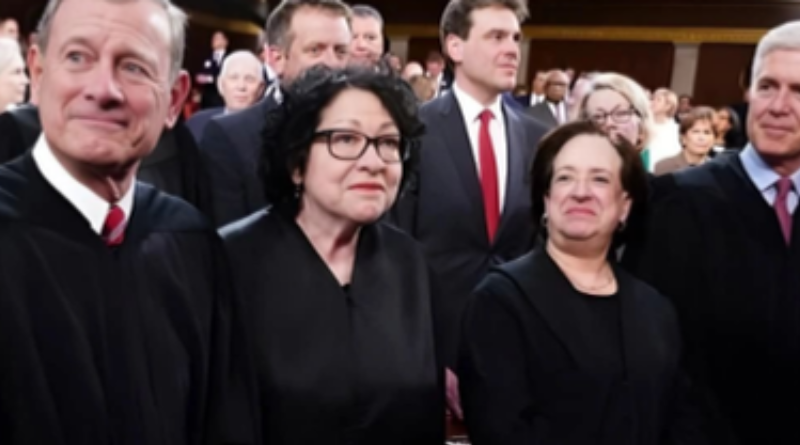
The U.S. Department of Justice has asked the Supreme Court of the United States to allow the administration to move forward with ending Temporary Protected Status (TPS) for more than 350,000 Haitian immigrants currently living in the United States.
The request is part of ongoing legal challenges related to the U.S. Department of Homeland Security’s efforts to terminate TPS for several countries. If the designation is ended, affected immigrants could become eligible for deportation. The Supreme Court has previously allowed similar rollbacks for Venezuelan migrants, while a case involving Syrian immigrants remains pending.
Haiti was first granted TPS in 2010 following a devastating earthquake that killed more than 300,000 people and caused widespread destruction. The program allows nationals from countries experiencing armed conflict, natural disasters, or other extraordinary conditions to remain temporarily in the U.S. and obtain work authorization. Protections are typically granted in 18-month increments and can be renewed if conditions in the home country remain unsafe.
During his first term, Donald Trump attempted to rescind Haiti’s TPS designation, but legal challenges prevented the change from being implemented. After returning to office, Homeland Security Secretary Kristi Noem announced plans to end the protections, with the policy set to take effect on February 3.
In December, five Haitian nationals filed a lawsuit challenging the decision. A federal district court ruled in their favor, stating the administration had not provided sufficient justification for ending TPS and ordered the protections to remain in place while the case moves forward. The government appealed, but a divided three-judge panel of the U.S. Court of Appeals for the District of Columbia Circuit declined to block the lower court’s ruling.