Supreme Court Justices Jackson and Kavanaugh Clash Publicly on Emergency Docket and Trump Policies
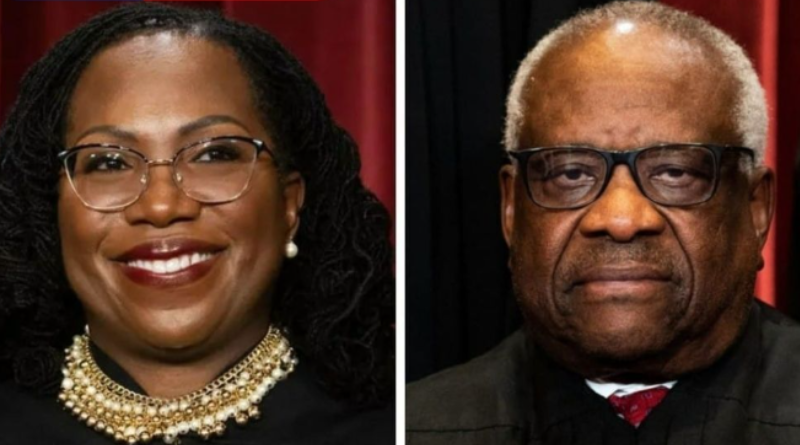
Supreme Court Justices Ketanji Brown Jackson and Brett Kavanaugh openly debated the Court’s emergency docket on Monday. They discussed how the justices handle urgent appeals from the Trump administration. This rare public exchange spotlighted deep differences over when – and why – the Court steps in early to lift lower court blocks on presidential policies.
The emergency docket has grown busy under Trump. Lower courts often pause new rules or executive actions. The administration then asks the Supreme Court to let policies move forward while lawsuits play out. Jackson called the Court’s quick interventions a “real unfortunate problem.” Kavanaugh defended the practice. He said it reflects how modern presidents govern in a divided Congress.
This on-stage disagreement stands out. Justices usually keep debates private until written opinions drop months later. Their exchange offers real insight into tensions on the bench.
What Is the Supreme Court’s Emergency Docket?
The emergency docket handles “shadow docket” cases. These involve requests for quick relief – often stays – when lower courts halt federal actions.
For example:
- A district judge blocks a new tariff or immigration rule.
- The government asks the Supreme Court to lift that block right away.
- Justices decide fast, sometimes without full briefs or oral arguments.
This process has exploded in recent years. Both Republican and Democratic administrations use it. However, Trump’s team filed many such requests in 2025. The Court granted several, letting policies take effect during ongoing litigation.
Critics say early rulings can prejudge cases. Supporters argue delays hurt governance when time-sensitive issues arise.
Justice Jackson’s Criticism of Early Interventions
Justice Jackson spoke first at the event. She argued the Court now steps in too soon and too often.
Key points from her remarks:
- The administration pushes new policies and demands immediate effect.
- This forces the Supreme Court to act before lower courts build a full record.
- Early involvement risks skewing the normal judicial process.
- She asked: “Should the Supreme Court be superintending the lower courts?”
Jackson often dissents in these emergency orders. She worries premature action signals how the Court might rule later. In her view, lower courts should handle facts and arguments first.
Justice Kavanaugh’s Defense and Broader Context
Kavanaugh pushed back firmly. He said the surge in emergency appeals is not unique to Trump.
His main points:
- Modern presidents rely more on executive actions because Congress struggles to pass laws.
- Administrations “push the envelope” with regulations – some lawful, some not.
- Previous presidents (from both parties) rushed to the Supreme Court when blocked.
- “None of us enjoys this,” he added, calling it a symptom of gridlock.
Kavanaugh stressed that the Court responds to reality. Major policy fights now land in courts instead of Capitol Hill. Delaying relief could freeze important executive functions.
Why This Public Debate Matters
Public spats between justices happen rarely. They usually air disagreements in opinions long after decisions. Monday’s event broke that norm.
Several factors explain the shift:
- Growing use of the shadow docket draws scrutiny.
- High-stakes Trump policies keep landing on the emergency track.
- Justices face pressure to explain their approach amid public debate.
This exchange shows real divisions. Jackson focuses on process and restraint. Kavanaugh highlights practical governance needs.
The debate also ties to bigger questions. How much power does the executive hold? When should courts step back? Answers will shape future cases.
Looking Ahead: What’s Next for the Emergency Docket?
The Court may face more shadow docket requests soon. Trump continues aggressive moves on trade, immigration, and energy. Lower court challenges will follow.
Jackson and Kavanaugh’s views signal ongoing tension. The majority often sides with quicker relief in key cases. Yet critics – including some scholars – call for reforms to add transparency.
For now, the emergency docket remains a key battleground. It lets policies advance fast but raises fairness concerns.
Stay updated through trusted sources like SCOTUSblog for detailed tracking or Reuters Supreme Court coverage. Official opinions appear on the Supreme Court website.
Have you followed any specific emergency docket cases? What stands out most from this rare public clash?